June 17, 2024
Dear Council Members,
We last circulated a letter to all the towns in the state in May to warn about the state taking the siting of free standing BESS facilities away from the local town government and instead putting such applications before the Office of Renewable Energy. Thanks to your help, Bill S 8734 was withdrawn by Senator Peter Harckham, but when the new legislative season begins this does not mean we are safe from new attacks on Article IX of the NY Constitution. What we learned from that endeavor is that towns all across the state are facing the threat of having to accept renewable energy projects that come with hazards that the residents and towns do not want. It took us about 2 weeks to reach everyone and that time frame is too long if we want to take collective action to halt such attacks by writing the sponsor of a Bill that attacks home rule or expressing our displeasure at an executive order such as 94 C, the 2020 order that set the pace for Renewable Energy Development paving the way for ORES and the RAPID Act.
We are therefore starting a Facebook group called “All New York Towns for the protection of Article IX of the NY Constitution,” so that we can set up a central place to look for the latest information on Bills attacking home rule and towns facing unwanted development of renewable energy projects. To have this work, ideally town officials from every town would need to join and post when they learn of a Bill or are facing a challenge to home rule. I see this as a warning system so an individual town can get support from across the state when threatened and collectively we are not blindsided by legislation such as the RAPID Act.
In the end, it is our hope that 94C will be repealed and decisions about where and when to accept different renewable energy projects will be returned to the towns. This is essential since it is the local officials who know their area best and have the most interest in protecting their residents and local environment. As the three BESS fires showed in the summer of 2023 the technology we are being asked to accept is unsafe. New York is now proposing building a 116 Megawatt battery storage facility in Mahopac and a 275 Megawatt facility in Glenwood Landing, Oyster Bay, Long Island. These facilities are much larger than the 12 Megawatt Warwick plant that burned for 4 days releasing toxic fumes on school grounds. It is a travesty that that plant has been allowed to reopen.
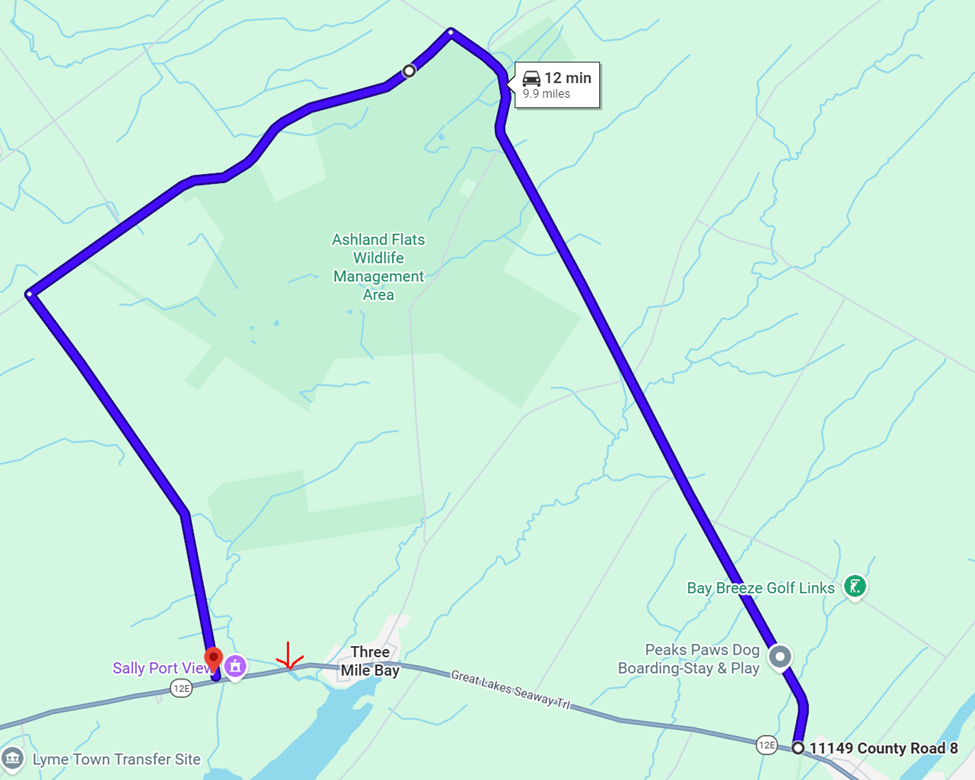
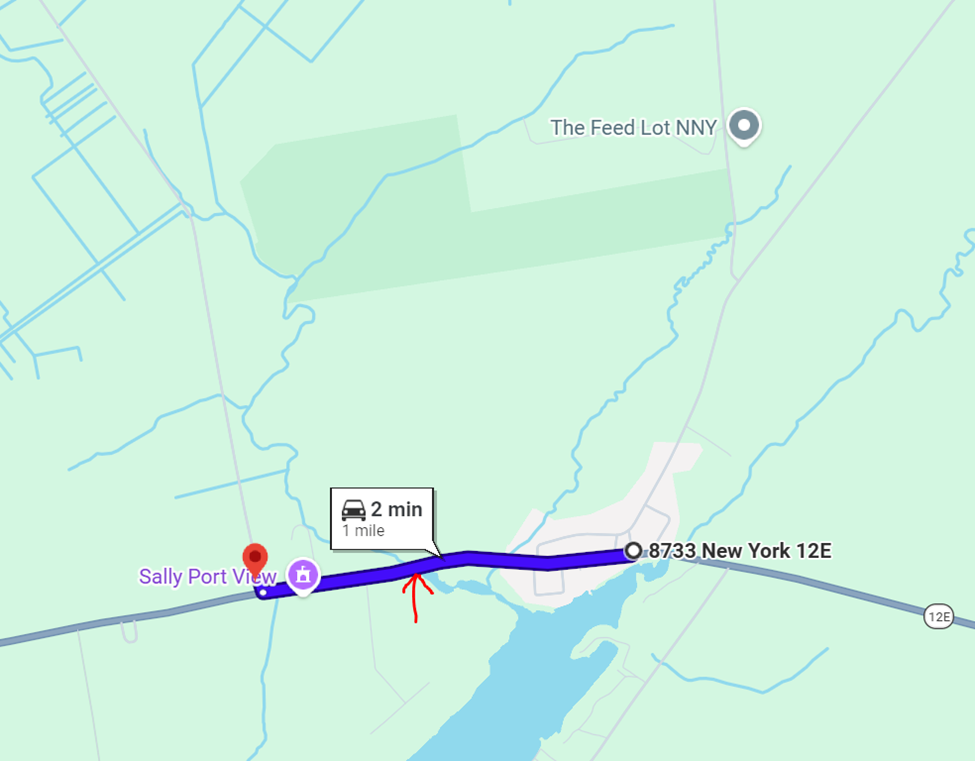
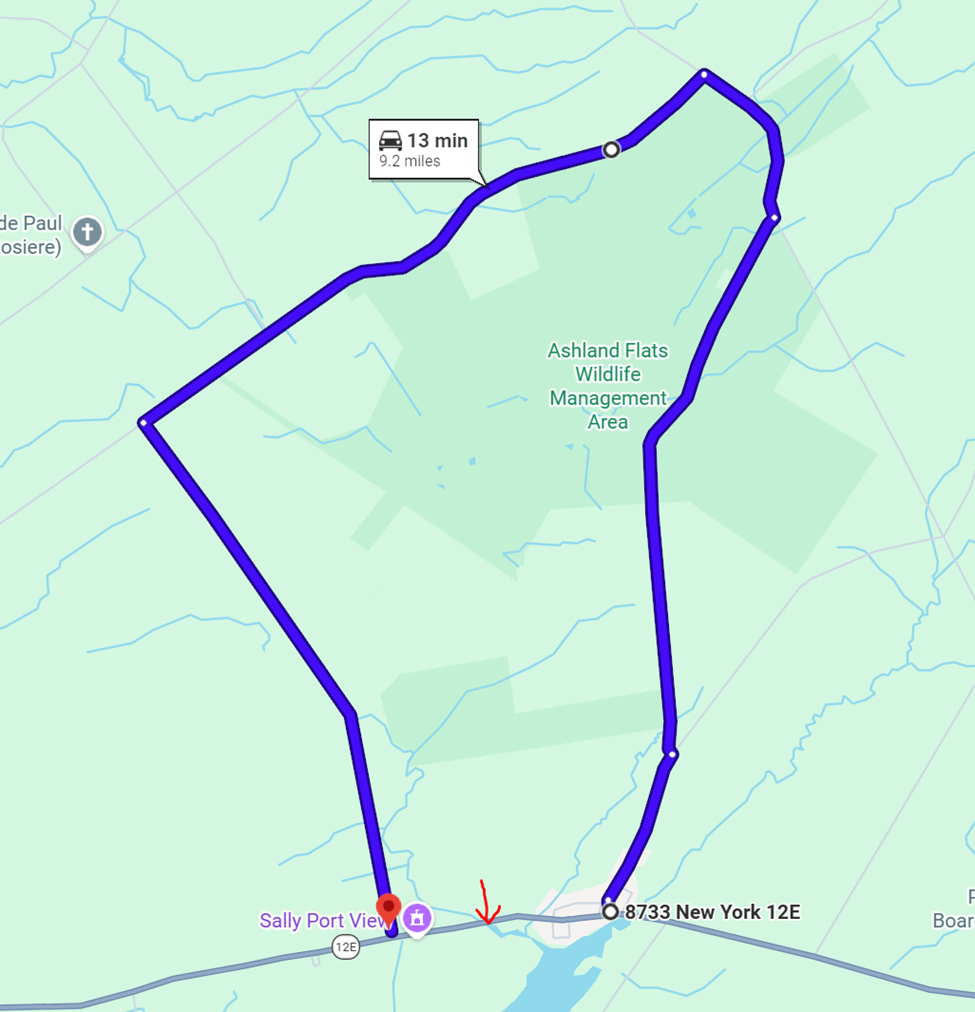
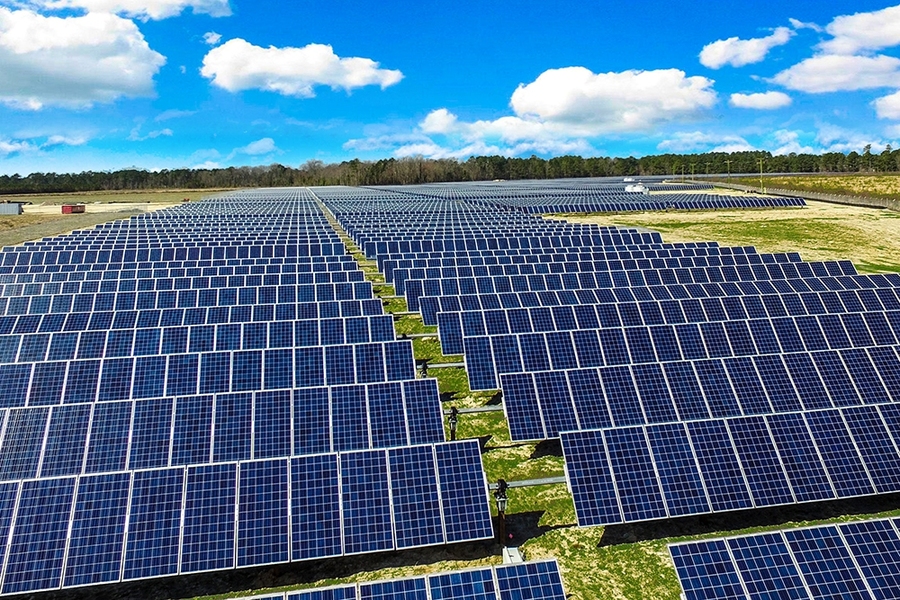
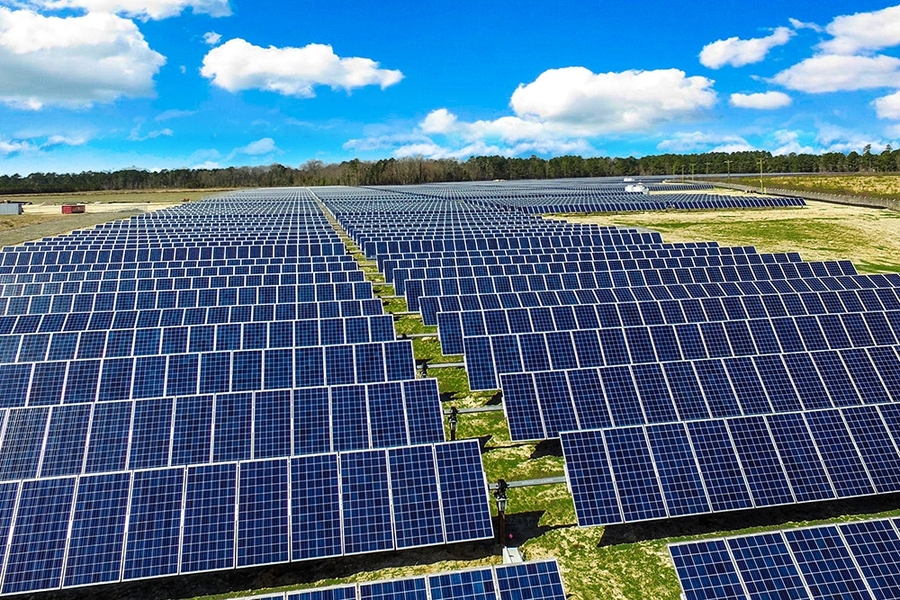
Additionally, Lyme NY solar farm with a 20 megawatt storage system burned for 4 days in 2023. Other towns are facing applications calling for 20,000 acres of land clear cut for solar panels which are vulnerable to storms. I read one report of a farmer watching his cows die after ingesting glass from broken solar panels. Along the Lake Erie and the coast of Long Island unwanted wind development reliant on oil to power the turbines has the potential to harm marine life and spoil the natural environment. This technology is in its infancy and whether to accept such an experiment should be left up to the towns, not a government agency. It is time we start acting together to stop this rush to develop unproven and unsafe technology, therefore I urge you to join and participate in our Facebook group “All New York Towns for the protection of Article IX of the NY Constitution”,
https://www.facebook.com/groups/1177050780302191/.
Please pass on the invitation to your colleagues and interested parties.
Respectfully,
Christine Panos
Dawn Schmidt Poallo
Solar Bill Letter #1
May 25,2024
Dear Councilmembers,
I am writing to inform you of a new Bill S7834 sponsored by Pete Harcrkhan that was in committee until May 15,2024 when it was withdrawn after public outcry. Senator Harckhan will be up for re-election which was probably the reason for the Bill being pulled, however it is our understanding that this Bill is not dead. This legislation is part of our governor’s agenda to increase the construction of BESS lithium ion battery storage facilities. This bill will either be sponsored by a new Senator in the Environmental Conservation Committee or perhaps moved to the Energy and Telecommunication Committee or a different committee and in both cases it would be given a new number. Therefore, those opposed to this bill must stay vigilant so it is not passed when the public is not paying attention.
Bill S7834 would take away your town’s zoning authority in relation to BESS storage facilities. Can you spread the word in your town? It would strengthen the powers of The Office of Renewable Energy and close the gap left by the recently passed RAPID Act to now include large stand alone lithium ion storage facilities. If your town voted one of these facilities down due to local zoning or a town plan for Lithium ion storage facilities it can then be mandated by the state over your objection. The energy company looking to build can then appeal to ORAS and this agency can mandate that it be built over the town’s objections. As you can see this law would strike a blow against local government and our long tradition of town governance.
I live in Somers NY and we are currently fighting to stop a 116 mega watt lithium ion battery storage facility on our border 200 feet from residential homes. The town of Mahopac is poised to call a moratorium on this project but with this law the State could mandate it making the moratorium useless. I hope you are concerned as I am that the decision for placement of these facilities is being taken out of the hands of the local government.
I would appreciate it if you could write back and let me know if you will spread the word so your residents can contact their senators. My email is [email protected]. Additionally, could you inform the town boards of your neighboring town. Adding this type of plant to the recently passed RAPID Act is introducing a technology that has proven to be unsafe to be mandated over town objection. Under the RAPID Act, Bess systems connected to solar, wind and or other renewable energy can currently be mandated over town objection. I am sure many towns were unaware of this act that usurped town authority and now want to make sure that no future legislation is passed curtailing traditional powers of local government.
Besides the loss of town rights we should be concerned about the loss of a town’s ability to protect their residents from unperfected technology. The 22 Megawatt lithium ion battery plant in Warwick NY and a similar plant in East Hampton caught fire and burned for days polluting the air with harmful flammable gasses such as carbon monoxide,carbon dioxide, and hydrogen fluoride. There is no way to put out these fires and water is used only in the hope of keeping adjacent batteries from catching fire. The run-off contains harmful chemicals that can pollute well water and soil. Lithium is a known neurotoxin and other components of the batteries would add forever chemicals to the soil and water.
I am sure your town does not want to be stripped of the decision making power on where these plants should be allowed. My goal is to inform every town in the state of this attempt by Albany to take away their decision power.
Could you make sure your residents are aware that this Bill could appear under another name and number at any time before or after the November election. Thank you for your time and consideration in this important matter.
Thank you,
Christine Panos
BILL NUMBER: S7834
SPONSOR: HARCKHAM
TITLE OF BILL:
An act to amend the executive law, in relation to qualified energy storage systems
PURPOSE OR GENERAL IDEA OF BILL:
Expands the tools available to the Office of Renewable Energy Siting(ORES) to enable the siting of Energy Storage facilities in the areas of the state that need them in order reduce emissions from older highly polluting peaker plants, and to ensure reliability in the electric grid as we move to 100 percent renewable energy.
SUMMARY OF PROVISIONS:
Section 1 amends section 94-C of the executive law to enable the ORES to site energy storage systems of greater than five thousand KW not co-lo-cated with major renewable energy facilities. These facilities must be less than ten miles from and interconnect into the NY electric grid. A fee of $50,000 is required for the application for this program.
JUSTIFICATION:
As New York State continues to work towards investing in renewable ener-
gy and electrifying buildings and transportation systems, energy storage
systems are necessary in order to increase the efficiency of New York’s
power grid. Energy storage systems can integrate large quantities of
renewable energy and store renewable generation for the times when it is
most needed.
In 2022, Governor Kathy Hochul set a goal of 6,000 MW of battery storage
by 2030. In order to realize this goal, New York State must make major
shifts to its portfolio of energy production. This legislation will
provide the ORES with additional tools in order to facilitate the
deployment of battery storage systems.
PRIOR LEGISLATIVE HISTORY:
This is a new bill.
FISCAL IMPLICATIONS FOR STATE AND LOCAL GOVERNMENTS:
Local governments where battery storage facilities are sited will likely
see increased property tax revenues from these facilities.
EFFECTIVE DATE:
This act shall take effect ninety days after it shall have become law.